Connect With Us
Blog
Items filtered by date: August 2026
Friday, 28 August 2026 00:00
We Can Treat Your Foot or Ankle Pain

Foot or ankle pain can negatively affect your day-to-day life and can occur due to several different conditions. Pain can also be an indicator of a more serious underlying condition, which is why you should seek professional help as soon as you notice any abnormalities in your feet.
Tuesday, 25 August 2026 00:00
Off-Loading Devices and Their Role in Foot Care
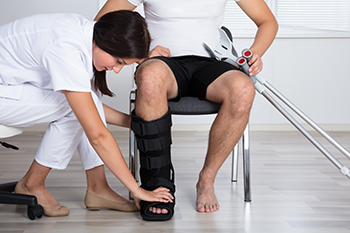
Off-loading devices are an essential part of modern foot care. They provide mechanical support that reduces pressure on sensitive or injured areas of the foot. These devices are designed to shift weight away from problem areas, allowing the skin and underlying tissues to heal more effectively. They are often used in cases involving ulcers, chronic pain, and conditions that place excessive stress on certain parts of the foot.
Patients who require off-loading devices may experience ongoing pain, tenderness, or slow healing wounds. Redness, swelling, and areas of increased pressure can signal that the foot is under strain and needs additional support. By reducing contact and friction, off-loading devices help relieve discomfort and prevent further damage. This approach not only improves comfort, but also promotes faster healing and better long-term outcomes.
Several types of off-loading devices are available, depending on the specific condition. Total contact casting provides a close fitting structure that evenly distributes pressure and limits movement that may interfere with healing. Removable cast walkers offer similar benefits with the added convenience of removal for hygiene and monitoring. Custom orthotics are designed to correct foot mechanics and provide targeted support. This can help to reduce stress on vulnerable areas during daily activities.
Risk factors such as diabetes, neuropathy, and poor circulation can increase the likelihood of needing off-loading devices. Individuals with foot deformities or a history of injury may also be at greater risk of pressure-related problems. Proper evaluation is important to determine the most effective treatment approach. A podiatrist can recommend the right device and ensure proper fit and use. If you are dealing with a foot condition that may require pressure relief or orthotics, it is strongly suggested that you consult a podiatrist who can determine the type of orthotics that is right for you.
If you are having discomfort in your feet and would like to try orthotics, contact one of our podiatrists from Advanced Foot and Ankle Centers, Inc.. Our doctors can provide the care you need to keep you pain-free and on your feet.
What Are Orthotics?
Orthotics are inserts you can place into your shoes to help with a variety of foot problems such as flat feet or foot pain. Orthotics provide relief and comfort for minor foot and heel pain but can’t correct serious biomechanical problems in your feet.
Over-the-Counter Inserts
Orthotics come in a wide variety of over-the-counter inserts that are used to treat foot pain, heel pain, and minor problems. For example, arch supports can be inserted into your shoes to help correct overarched or flat feet, while gel insoles are often used because they provide comfort and relief from foot and heel pain by alleviating pressure.
Prescription Orthotics
If over-the-counter inserts don’t work for you or if you have a more severe foot concern, it is possible to have your podiatrist prescribe custom orthotics. These high-quality inserts are designed to treat problems such as abnormal motion, plantar fasciitis, and severe forms of heel pain. They can even be used to help patients suffering from diabetes by treating foot ulcers and painful calluses and are usually molded to your feet individually, which allows them to provide full support and comfort.
If you are experiencing minor to severe foot or heel pain, it’s recommended to speak with your podiatrist about the possibilities of using orthotics. A podiatrist can determine which type of orthotic is right for you and allow you to take the first steps towards being pain-free.
If you have any questions, please feel free to contact our office located in Clovis, CA . We offer the newest diagnostic and treatment technologies for all your foot care needs.
Tuesday, 18 August 2026 00:00
Preventing Diabetic Foot Ulcers With Early Awareness
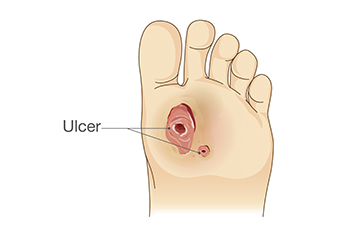
Diabetic foot ulcers are open sores or wounds that develop on the feet due to complications from diabetes. These ulcers often occur when high blood sugar levels affect circulation and nerve function, leading to reduced healing ability and loss of sensation. When a person cannot feel minor injuries, such as cuts or pressure points, these issues can worsen without notice. Diabetic foot ulcers are a serious condition that requires early attention to prevent infection and long-term complications.
Common symptoms include redness, swelling, drainage, and areas of skin breakdown that do not heal properly. Some individuals may notice warmth or a foul odor around the affected area. Risk factors include poor blood flow, nerve damage, high blood sugar levels, and wearing improper footwear. Individuals who smoke, have a history of foot injuries, or struggle with foot hygiene are at higher risk. Regular foot checks are important to identify early signs before they progress into more severe wounds.
Lifestyle plays a significant role in the development and management of diabetic foot ulcers. Sedentary behavior is not beneficial, as limited movement can reduce circulation and increase pressure on certain areas of the feet. A balanced routine that includes safe physical activity, proper footwear, and consistent blood sugar management can help reduce risk. Maintaining a healthy weight and avoiding prolonged pressure on the same areas of the foot are also important preventive measures.
The benefits of early prevention include reduced risk of infection, faster healing, and improved overall foot health. Addressing symptoms early can help avoid complications such as deep tissue damage or loss of limb. Proper care, including routine foot inspections and supportive footwear, is essential for individuals with diabetes. If you have signs of a diabetic foot ulcer, it is suggested that you are under the care of a podiatrist who can help you manage this serious condition.
Diabetic foot care is important in preventing foot ailments such as ulcers. If you are suffering from diabetes or have any other concerns about your feet, contact one of our podiatrists from Advanced Foot and Ankle Centers, Inc.. Our doctors can provide the care you need to keep you pain-free and on your feet.
Diabetic Foot Care
Diabetes affects millions of people every year. The condition can damage blood vessels in many parts of the body, especially the feet. Because of this, taking care of your feet is essential if you have diabetes, and having a podiatrist help monitor your foot health is highly recommended.
The Importance of Caring for Your Feet
- Routinely inspect your feet for bruises or sores.
- Wear socks that fit your feet comfortably.
- Wear comfortable shoes that provide adequate support.
Patients with diabetes should have their doctor monitor their blood levels, as blood sugar levels play such a huge role in diabetic care. Monitoring these levels on a regular basis is highly advised.
It is always best to inform your healthcare professional of any concerns you may have regarding your feet, especially for diabetic patients. Early treatment and routine foot examinations are keys to maintaining proper health, especially because severe complications can arise if proper treatment is not applied.
If you have any questions, please feel free to contact our office located in Clovis, CA . We offer the newest diagnostic and treatment technologies for all your foot care needs.
Tuesday, 11 August 2026 00:00
Common Causes of Outer Side Foot Pain

Pain on the outer side of the foot, also known as lateral foot pain, can affect walking, balance, and daily comfort. This type of pain may develop suddenly due to injury, or gradually from overuse and underlying conditions. The outer foot supports weight during movement, making it vulnerable to strain and stress. Several conditions can lead to discomfort in this area, including ankle sprains, bunionettes, and Achilles tendinitis. Understanding the source of pain is important for proper care and recovery.
Symptoms of lateral foot pain vary depending on the cause. An ankle sprain often results in swelling, bruising, and tenderness along the outer ankle, especially after a twist or fall. Arthritis can cause stiffness, aching, and reduced joint flexibility, which may worsen with activity. A bunionette, also called a tailor’s bunion, appears as a bony bump near the base of the small toe and can lead to redness, irritation, and pressure from shoes. Achilles tendinitis may cause pain near the back of the heel that can extend along the outer foot, along with stiffness and discomfort during movement.
The causes of pain on the outer side of the foot often involve repetitive stress, injury, or structural issues. Ankle sprains occur when ligaments are stretched or torn, usually from sudden movement. Arthritis develops over time due to joint wear or inflammation. Bunionettes may develop from foot structure or wearing tight footwear that places pressure on the outer foot. Additionally, Achilles tendinitis is typically caused by overuse, especially in activities that involve running or jumping. Each condition affects the foot differently but can lead to ongoing discomfort if not addressed.
Risk factors for lateral foot pain include wearing improper footwear, high impact activities, and a history of previous injuries. If you have pain on the outer side of your foot, it is suggested that you consult a podiatrist for an accurate diagnosis and appropriate treatment.
Foot Pain
Foot pain can be extremely painful and debilitating. If you have a foot pain, consult with one of our podiatrists from Advanced Foot and Ankle Centers, Inc.. Our doctors will assess your condition and provide you with quality foot and ankle treatment.
Causes
Foot pain is a very broad condition that could be caused by one or more ailments. The most common include:
- Bunions
- Hammertoes
- Plantar Fasciitis
- Bone Spurs
- Corns
- Tarsal Tunnel Syndrome
- Ingrown Toenails
- Arthritis (such as Gout, Rheumatoid, and Osteoarthritis)
- Flat Feet
- Injury (from stress fractures, broken toe, foot, ankle, Achilles tendon ruptures, and sprains)
- And more
Diagnosis
To figure out the cause of foot pain, podiatrists utilize several different methods. This can range from simple visual inspections and sensation tests to X-rays and MRI scans. Prior medical history, family medical history, and any recent physical traumatic events will all be taken into consideration for a proper diagnosis.
Treatment
Treatment depends upon the cause of the foot pain. Whether it is resting, staying off the foot, or having surgery; podiatrists have a number of treatment options available for foot pain.
If you have any questions, please feel free to contact our office located in Clovis, CA . We offer the newest diagnostic and treatment technologies for all your foot care needs.
Tuesday, 04 August 2026 00:00
Tarsal Tunnel Syndrome and Nerve-Related Foot Pain
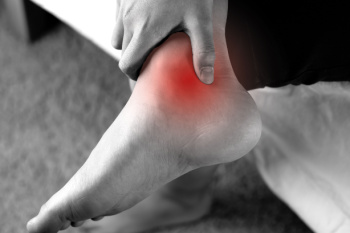
Tarsal tunnel syndrome is a condition that results from compression of the tibial nerve as it passes through the inner ankle. This area, known as the tarsal tunnel, is a tight space that can become inflamed or restricted. The condition is classified as an entrapment neuropathy, because the nerve becomes trapped and irritated. This leads to abnormal nerve signals that cause pain and sensory changes in the foot. Knowing the definition and causes of this condition can help individuals recognize symptoms early.
Symptoms often include a burning tingling sensation along the inner ankle and into the sole of the foot. Some individuals may feel numbness, weakness, or shooting pain that worsens with movement. The discomfort may come and go, or become more constant over time. Activities that involve prolonged standing or walking can increase symptoms. These sensations can affect balance and make everyday tasks more difficult.
Risk factors for tarsal tunnel syndrome include structural foot issues such as flat feet, which place added stress on the nerve. Ankle injuries can lead to swelling that compresses the nerve within the tunnel. Other contributing causes include growths such as cysts or inflammation from overuse. Wearing improper footwear that lacks support may also increase pressure on the inner ankle. These factors can combine to create an environment where nerve irritation develops.
Treatment focuses on relieving pressure and improving foot support. Rest, wearing proper footwear, and orthotics can help reduce strain on the affected area. Early care can prevent worsening symptoms and improve mobility. Seeking a podiatric evaluation ensures a targeted treatment plan that addresses the underlying cause. If you have signs of tarsal tunnel syndrome, it is suggested that you consult a podiatrist who can accurately diagnose and treat tarsal tunnel syndrome.
Tarsal tunnel syndrome can be very uncomfortable to live with. If you are experiencing tarsal tunnel syndrome, contact one of our podiatrists of Advanced Foot and Ankle Centers, Inc.. Our doctors can provide the care you need to keep you pain-free and on your feet.
Tarsal Tunnel Syndrome
Tarsal tunnel syndrome, which can also be called tibial nerve dysfunction, is an uncommon condition of misfiring peripheral nerves in the foot. The tibial nerve is the peripheral nerve in the leg responsible for sensation and movement of the foot and calf muscles. In tarsal tunnel syndrome, the tibial nerve is damaged, causing problems with movement and feeling in the foot of the affected leg.
Common Cause of Tarsal Tunnel Syndrome
- Involves pressure or an injury, direct pressure on the tibial nerve for an extended period of time, sometimes caused by other body structures close by or near the knee.
- Diseases that damage nerves, including diabetes, may cause tarsal tunnel syndrome.
- At times, tarsal tunnel syndrome can appear without an obvious cause in some cases.
The Effects of Tarsal Tunnel Syndrome
- Different sensations, an afflicted person may experience pain, tingling, burning or other unusual sensations in the foot of the affected leg.
- The foot muscles, toes and ankle become weaker, and curling your toes or flexing your foot can become difficult.
- If condition worsens, infections and ulcers may develop on the foot that is experiencing the syndrome.
A physical exam of the leg can help identify the presence of tarsal tunnel syndrome. Medical tests, such as a nerve biopsy, are also used to diagnose the condition. Patients may receive physical therapy and prescriptive medication. In extreme cases, some may require surgery.
If you have any questions please contact our office located in Clovis, CA . We offer the newest diagnostic and treatment technologies for all your foot and ankle needs.
