Connect With Us
Blog
Items filtered by date: July 2026
Wednesday, 29 July 2026 00:00
Get Professional Care for a Broken Foot or Ankle

Constant care and regular evaluation are important for a foot or ankle fracture. If left untreated, foot or ankle fractures can worsen over time and create more serious problems.
Don't wait to be examined if you believe you've experienced a foot or ankle fracture.
Tuesday, 28 July 2026 00:00
Protecting Your Foot From Gout

Gout is a form of arthritis that develops when uric acid builds up in the body and forms tiny crystals inside a joint. These sharp crystals trigger intense inflammation, causing sudden pain and swelling. The big toe is one of the most frequent locations for a gout attack, although the condition also can affect the ankle, heel, or other foot joints. Symptoms include severe pain, redness, and swelling that can develop within hours. The affected joint can become so sensitive that even light pressure causes discomfort. Without proper treatment, gout attacks can become more frequent and lead to lasting joint damage. In some patients, firm deposits of uric acid crystals, called tophi, can develop beneath the skin and affect foot function.
A podiatrist performs a detailed examination to determine whether gout is responsible for the pain. The evaluation includes checking the affected joint for swelling, tenderness, and changes in movement. The podiatrist also asks about previous attacks and reviews the patient's medical history. Imaging tests, like X-rays or ultrasound, can provide additional information about joint damage or crystal deposits. In some cases, a sample of fluid from the joint is examined to confirm the diagnosis. Identifying gout early allows treatment to begin before repeated attacks damage the joint or reduce mobility. A complete evaluation also helps distinguish gout from infections or other forms of arthritis that produce similar symptoms.
Treatment focuses on relieving pain, protecting the affected joint, and reducing the risk of future attacks. A podiatrist develops a treatment plan based on the severity of the condition and how it affects foot function. Care also includes custom orthotics when changes in foot structure or walking patterns place extra stress on painful joints. The podiatrist can recommend shoes that fit properly and provide good support to improve comfort while walking. Regular follow-up visits help monitor joint health and identify changes before they become more serious. If you have symptoms of gout, it is suggested that you schedule an appointment with a podiatrist for diagnosis and treatment.
Gout is a foot condition that requires certain treatment and care. If you are seeking treatment, contact one of our podiatrists from Advanced Foot and Ankle Centers, Inc.. Our doctors will treat your foot and ankle needs.
What Is Gout?
Gout is a type of arthritis caused by a buildup of uric acid in the bloodstream. It often develops in the foot, especially the big toe area, although it can manifest in other parts of the body as well. Gout can make walking and standing very painful and is especially common in diabetics and the obese.
People typically get gout because of a poor diet. Genetic predisposition is also a factor. The children of parents who have had gout frequently have a chance of developing it themselves.
Gout can easily be identified by redness and inflammation of the big toe and the surrounding areas of the foot. Other symptoms include extreme fatigue, joint pain, and running high fevers. Sometimes corticosteroid drugs can be prescribed to treat gout, but the best way to combat this disease is to get more exercise and eat a better diet.
If you have any questions, please feel free to contact our office located in Clovis, CA . We offer the newest diagnostic and treatment technologies for all your foot care needs.
Tuesday, 21 July 2026 00:00
Back of the Heel Pain May Signal Achilles Tendonitis

Achilles tendonitis develops when the strong tendon that connects the calf muscles to the heel becomes irritated from repeated strain. This tendon plays an important role in walking, running, and rising onto the toes. Pain usually begins at the back of the heel or ankle and can become more noticeable after resting or while taking part in physical activity. Many patients also experience stiffness when getting out of bed in the morning. The discomfort sometimes eases after moving around, but returns as activity continues. Swelling and tenderness along the tendon are also common. Some people notice difficulty climbing stairs or pushing off the ground while walking. Ignoring these warning signs can allow the condition to become more severe and interfere with daily movement.
Repeated stress on the tendon is the leading cause of Achilles tendonitis. A sudden increase in exercise, frequent running, or sports that involve jumping can place extra strain on the tendon. Tight calf muscles and flat feet can also change the way the foot moves, creating added pressure. Wearing shoes that lack proper support can make the problem worse. Risk increases with age, and is also higher in people who spend long hours on their feet. Certain health conditions, like arthritis, excess body weight, and high blood pressure, are linked with a greater chance of developing Achilles tendonitis.
A podiatrist can diagnose Achilles tendonitis through a careful medical history and a physical examination. The affected tendon is checked for swelling, tenderness, and range of motion. Imaging tests, like X-rays or an MRI scan, can help rule out other conditions or confirm damage when necessary. After making a diagnosis, a podiatrist can develop a treatment plan that reduces strain on the tendon and improves foot function. Treatment options also include custom orthotics, changes in shoe selection, or other advanced care based on the severity. If you are experiencing Achilles tendon pain, it is suggested that you schedule an appointment with a podiatrist for a diagnosis and appropriate treatment.
Achilles tendon injuries need immediate attention to avoid future complications. If you have any concerns, contact one of our podiatrists of Advanced Foot and Ankle Centers, Inc.. Our doctors can provide the care you need to keep you pain-free and on your feet.
What Is the Achilles Tendon?
The Achilles tendon is a tendon that connects the lower leg muscles and calf to the heel of the foot. It is the strongest tendon in the human body and is essential for making movement possible. Because this tendon is such an integral part of the body, any injuries to it can create immense difficulties and should immediately be presented to a doctor.
What Are the Symptoms of an Achilles Tendon Injury?
There are various types of injuries that can affect the Achilles tendon. The two most common injuries are Achilles tendinitis and ruptures of the tendon.
Achilles Tendinitis Symptoms
- Inflammation
- Dull to severe pain
- Increased blood flow to the tendon
- Thickening of the tendon
Rupture Symptoms
- Extreme pain and swelling in the foot
- Total immobility
Treatment and Prevention
Achilles tendon injuries are diagnosed by a thorough physical evaluation, which can include an MRI. Treatment involves rest, physical therapy, and in some cases, surgery. However, various preventative measures can be taken to avoid these injuries, such as:
- Thorough stretching of the tendon before and after exercise
- Strengthening exercises like calf raises, squats, leg curls, leg extensions, leg raises, lunges, and leg presses
If you have any questions please feel free to contact our office located in Clovis, CA . We offer the newest diagnostic tools and technology to treat your foot and ankle needs.
Tuesday, 14 July 2026 00:00
What to Expect From Hammertoe Surgery
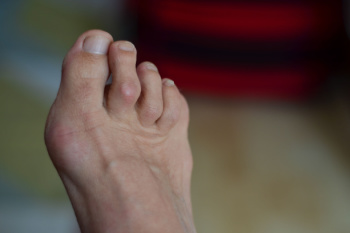
A hammertoe develops when a smaller toe bends at one or two of its joints instead of remaining straight. The bent toe can rub against shoes, creating painful corns, calluses, or irritated skin. As the deformity becomes more severe, the toe becomes harder to straighten and daily activities become less comfortable. When other treatments no longer provide enough relief, hammertoe surgery can correct the toe's position and reduce pain. Surgery also removes the bony bump that forms from the bent joint. Most procedures are performed on an outpatient basis, allowing patients to return home the same day. A podiatrist determines which type of surgery is best. This is based on the shape of the toe, the condition of the joint, and overall foot health.
Hammertoe surgery usually takes about 30 minutes and is commonly performed with a local anesthetic, which numbs the foot while the patient remains awake. One procedure removes part of the joint while allowing some movement to remain. Another procedure removes the entire joint and straightens the toe. The goal is to create a straighter toe, improve comfort, and make wearing less painful. Like any operation, hammertoe surgery includes possible risks. These include infection, delayed healing, or the toe becoming stiff. A podiatrist explains these risks before surgery and answers questions so patients understand what to expect.
Regular follow-up visits with a podiatrist help ensure proper healing and monitor progress. A special surgical shoe protects the foot after the procedure, and the podiatrist checks the incision, removes any temporary wire, and determines when normal activities can safely resume. Most patients notice improved toe alignment and greater comfort once healing is complete. Correcting the deformity also reduces pressure that previously caused painful corns and calluses. If you have a painful hammertoe, it is suggested that you schedule an appointment with a podiatrist who can discuss the benefits of this type of foot surgery with you.
Hammertoes can be a painful condition to live with. For more information, contact one of our podiatrists of Advanced Foot and Ankle Centers, Inc.. Our doctors will answer any of your foot- and ankle-related questions.
Hammertoe
Hammertoe is a foot deformity that occurs due to an imbalance in the muscles, tendons, or ligaments that normally hold the toe straight. It can be caused by the type of shoes you wear, your foot structure, trauma, and certain disease processes.
Symptoms
- Painful and/or difficult toe movement
- Swelling
- Joint stiffness
- Calluses/Corns
- Physical deformity
Risk Factors
- Age – The risk of hammertoe increases with age
- Sex – Women are more likely to have hammertoe compared to men
- Toe Length – You are more likely to develop hammertoe if your second toe is longer than your big toe
- Certain Diseases – Arthritis and diabetes may make you more likely to develop hammertoe
Treatment
If you have hammertoe, you should change into a more comfortable shoe that provides enough room for your toes. Exercises such as picking up marbles may strengthen and stretch your toe muscles. Nevertheless, it is important to seek assistance from a podiatrist in order to determine the severity of your hammertoe and see which treatment option will work best for you.
If you have any questions, please feel free to contact our office located in Clovis, CA . We offer the newest diagnostic and treatment technologies for all your foot care needs.
Tuesday, 07 July 2026 00:00
Understanding Nerve-Related Pain in the Ball of the Foot
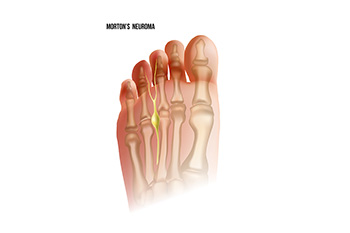
Morton's neuroma affects the nerves of the forefoot, leading to pain and discomfort in the area between the toes. It develops when the tissue surrounding a nerve thickens due to repeated pressure or irritation. This thickened tissue can compress the nerve, causing symptoms that interfere with normal walking and daily activities. The condition most often occurs between the third and fourth toes, where pressure is commonly concentrated.
Symptoms include a sharp or burning pain in the ball of the foot, often accompanied by tingling or numbness in the toes. Some individuals report a sensation of fullness or the feeling of standing on a small object. Pain may increase with activity or when wearing tight or restrictive footwear. In many cases, symptoms improve temporarily when shoes are removed or when the foot is rested.
Risk factors include footwear choices, activity level, and foot structure. Shoes with a narrow toe box or elevated heel height can compress the toes and increase pressure on the nerve. Repetitive activities, such as running or jumping, may also contribute to irritation. Individuals with biomechanical issues, such as flat feet or high arches, may place uneven stress on the forefoot, increasing the likelihood of developing this condition.
The cause of Morton's neuroma is linked to ongoing nerve compression and inflammation. Addressing contributing factors early can help relieve discomfort and prevent worsening symptoms. Wearing supportive footwear, proper cushioning, and professional care can improve foot function and reduce pain. If you have symptoms of Morton's neuroma, it is suggested that you seek evaluation from a podiatrist for proper diagnosis and effective relief and treatment solutions.
Morton’s neuroma is a very uncomfortable condition to live with. If you think you have Morton’s neuroma, contact one of our podiatrists of Advanced Foot and Ankle Centers, Inc.. Our doctors will attend to all of your foot care needs and answer any of your related questions.
Morton’s Neuroma
Morton's neuroma is a painful foot condition that commonly affects the areas between the second and third or third and fourth toe, although other areas of the foot are also susceptible. Morton’s neuroma is caused by an inflamed nerve in the foot that is being squeezed and aggravated by surrounding bones.
What Increases the Chances of Having Morton’s Neuroma?
- Ill-fitting high heels or shoes that add pressure to the toe or foot
- Jogging, running or any sport that involves constant impact to the foot
- Flat feet, bunions, and any other foot deformities
Morton’s neuroma is a very treatable condition. Orthotics and shoe inserts can often be used to alleviate the pain on the forefront of the feet. In more severe cases, corticosteroids can also be prescribed. In order to figure out the best treatment for your neuroma, it’s recommended to seek the care of a podiatrist who can diagnose your condition and provide different treatment options.
If you have any questions, please feel free to contact our office located in Clovis, CA . We offer the newest diagnostic and treatment technologies for all your foot care needs.
