Connect With Us
Blog
Items filtered by date: October 2026
Wednesday, 28 October 2026 00:00
Keep Your Feet Healthy So You Can Stay Active

Have your feet inspected by a professional before starting a new sport or physical activity. Taking charge of your foot health will keep you in good physical condition and can help you avoid a potential injury, such as a fracture or sprained ankle.
Prevent injuries and see a foot specialist.
Tuesday, 27 October 2026 00:00
Warning Signs of Common Foot Deformities
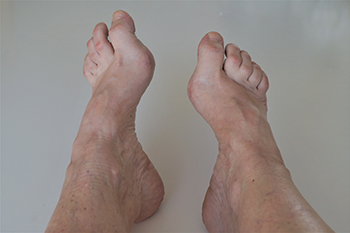
Foot deformities change the shape or alignment of the bones, joints, and supporting tissues in the foot. Some are present at birth, while others develop because of injury, disease, or repeated pressure. Flat feet occur when the arch is low and much of the sole touches the ground. High-arched feet place added pressure on the heel and ball of the foot. A pronated foot rolls too far inward, while splayfoot causes the front of the foot to widen. Mild changes do not always cause discomfort, but painful deformities can interfere with balance and movement.
Other deformities affect the toes or the whole foot. Bunions form when the big-toe joint shifts out of alignment, creating a bony bump on the inner side of the foot. Hammertoes bend downward at a middle toe joint, and claw toes curl at more than one joint. Clubfoot is usually present at birth and causes the foot to turn inward and downward. Equinus limits upward ankle movement, making it difficult for the heel to reach the ground. Foot deformities can lead to pain, calluses, and pressure sores. They can also make walking difficult and place extra strain on the ankles, knees, or hips.
A podiatrist can identify the type of deformity through an examination and an evaluation of how the patient stands and walks. X-rays can show changes in bones and joints. Treatment depends on the cause, symptoms, and effect on movement. A podiatrist can recommend properly fitted shoes, prescribe custom orthotics, or suggest padding to reduce pressure and improve support. Bracing can help control certain alignment problems. When a severe deformity causes lasting pain or limits mobility, surgery may be considered to correct the position of bones, joints, or tendons. Early evaluation can protect the skin, improve comfort, and reduce stress on nearby joints. If you have mild discomfort or severe pain from a foot deformity, it is suggested that you schedule an appointment with a podiatrist for effective relief and management tips.
Foot Pain
Foot pain can be extremely painful and debilitating. If you have a foot pain, consult with one of our podiatrists from Advanced Foot and Ankle Centers, Inc.. Our doctors will assess your condition and provide you with quality foot and ankle treatment.
Causes
Foot pain is a very broad condition that could be caused by one or more ailments. The most common include:
- Bunions
- Hammertoes
- Plantar Fasciitis
- Bone Spurs
- Corns
- Tarsal Tunnel Syndrome
- Ingrown Toenails
- Arthritis (such as Gout, Rheumatoid, and Osteoarthritis)
- Flat Feet
- Injury (from stress fractures, broken toe, foot, ankle, Achilles tendon ruptures, and sprains)
- And more
Diagnosis
To figure out the cause of foot pain, podiatrists utilize several different methods. This can range from simple visual inspections and sensation tests to X-rays and MRI scans. Prior medical history, family medical history, and any recent physical traumatic events will all be taken into consideration for a proper diagnosis.
Treatment
Treatment depends upon the cause of the foot pain. Whether it is resting, staying off the foot, or having surgery; podiatrists have a number of treatment options available for foot pain.
If you have any questions, please feel free to contact our office located in Clovis, CA . We offer the newest diagnostic and treatment technologies for all your foot care needs.
Tuesday, 20 October 2026 00:00
Pickleball Foot Protection Starts With the Right Shoes

Pickleball is a fun way to stay active, but your feet and ankles work hard during every game. Quick starts, sudden stops, and side-to-side movements place repeated stress on the feet. Wearing the right pickleball shoes can help protect your feet while improving comfort and confidence on the court. Good shoes should provide support, stability, and cushioning. They should also fit well and allow your toes enough room to move naturally.
The wrong shoes can make pickleball harder on your feet. Running shoes are designed mainly for forward movement and may not provide enough side-to-side support. Shoes with poor traction can increase the risk of slipping or twisting an ankle. Inadequate cushioning may contribute to heel pain or soreness after playing. Other possible injuries include ankle sprains, blisters, and stress injuries. Players who regularly play on hard courts may notice symptoms sooner when their footwear does not provide enough protection.
Choosing shoes made for court sports can help address these concerns. Look for a secure fit that keeps your heel from sliding. A stable sole can help support quick lateral movements. Reliable grip can improve traction during stops and changes in direction. Cushioning can reduce some of the impact placed on your feet during play. Additionally, comfortable materials can also help prevent rubbing and pressure points. Replace worn shoes when the tread becomes smooth or the cushioning feels less supportive.
If foot or ankle pain develops, a podiatrist can examine your feet and determine what may be causing the problem. Depending on the injury, treatment may include activity changes, supportive footwear, or other appropriate care. The podiatrist may also evaluate your walking pattern and footwear needs to help reduce future problems. If you have foot or ankle injuries from playing pickleball, it is suggested that you consult a podiatrist for effective relief and injury prevention tips.
Sports related foot and ankle injuries require proper treatment before players can go back to their regular routines. For more information, contact one of our podiatrists of Advanced Foot and Ankle Centers, Inc.. Our doctors can provide the care you need to keep you pain-free and on your feet.
Sports Related Foot and Ankle Injuries
Foot and ankle injuries are a common occurrence when it comes to athletes of any sport. While many athletes dismiss the initial aches and pains, the truth is that ignoring potential foot and ankle injuries can lead to serious problems. As athletes continue to place pressure and strain the area further, a mild injury can turn into something as serious as a rupture and may lead to a permanent disability. There are many factors that contribute to sports related foot and ankle injuries, which include failure to warm up properly, not providing support or wearing bad footwear. Common injuries and conditions athletes face, including:
- Plantar Fasciitis
- Achilles Tendinitis
- Achilles Tendon Rupture
- Ankle Sprains
Sports related injuries are commonly treated using the RICE method. This includes rest, applying ice to the injured area, compression and elevating the ankle. More serious sprains and injuries may require surgery, which could include arthroscopic and reconstructive surgery. Rehabilitation and therapy may also be required in order to get any recovering athlete to become fully functional again. Any unusual aches and pains an athlete sustains must be evaluated by a licensed, reputable medical professional.
If you have any questions please contact our office located in Clovis, CA . We offer the newest diagnostic and treatment technologies for all your foot and ankle needs.
Tuesday, 13 October 2026 00:00
What Causes Ankle Instability?
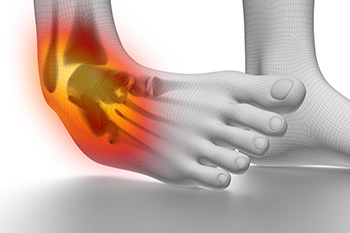
Ankle instability occurs when the ankle repeatedly feels weak or unsteady during movement. It often develops after an ankle sprain that did not fully heal. Damaged or stretched ligaments may struggle to keep the joint stable. Common symptoms include ankle pain, weakness, and a feeling that the ankle may give way. Some people notice instability when walking on uneven ground, while others experience discomfort after exercise. Repeated episodes can make everyday movement less comfortable.
Several factors can increase the risk of chronic ankle instability. Previous ankle sprains are among the most common causes. Repeated injuries can weaken supporting ligaments and reduce joint stability. Sports involving running, jumping, or quick direction changes can increase ankle stress. Poorly supportive footwear may contribute to instability. Muscle weakness around the ankle can make balance difficult. Certain foot alignment concerns may change weight distribution, and walking on uneven surfaces can also increase risk.
A podiatrist starts by reviewing your symptoms, injury history, and previous treatments. An examination can assess ankle strength, balance, and ligament stability. X-rays may help rule out fractures or other bone problems and additional imaging tests may be recommended when ligament damage is suspected. Treatment focuses on improving stability while reducing pain. A podiatrist may recommend supportive shoes, ankle bracing, or activity changes. Targeted exercises may improve strength and balance.
Ankle instability can interfere with walking, exercise, and confidence. Persistent pain or weakness should not be ignored, especially when your ankle repeatedly gives way. Evaluation can help identify the problem and reduce the risk of injuries. A podiatrist can develop a treatment plan based on your symptoms and ankle condition. Early treatment may help restore stability. If you are experiencing ankle instability, it is suggested that you consult a podiatrist for an accurate diagnosis and appropriate treatment.
Ankle pain can be caused by a number of problems and may be potentially serious. If you have ankle pain, consult with one of our podiatrists from Advanced Foot and Ankle Centers, Inc.. Our doctors will assess your condition and provide you with quality foot and ankle treatment.
Ankle pain is any condition that causes pain in the ankle. Due to the fact that the ankle consists of tendons, muscles, bones, and ligaments, ankle pain can come from a number of different conditions.
Causes
The most common causes of ankle pain include:
- Types of arthritis (rheumatoid, osteoarthritis, and gout)
- Ankle sprains
- Broken ankles
- Achilles tendonitis
- Achilles tendon rupture
- Stress fractures
- Bursitis
- Tarsal tunnel syndrome
- Plantar fasciitis
Symptoms
Symptoms of ankle injury vary based upon the condition. Pain may include general pain and discomfort, swelling, aching, redness, bruising, burning or stabbing sensations, and/or loss of sensation.
Diagnosis
Due to the wide variety of potential causes of ankle pain, podiatrists will utilize a number of different methods to properly diagnose ankle pain. This can include asking for personal and family medical histories and of any recent injuries. Further diagnosis may include sensation tests, a physical examination, and potentially x-rays or other imaging tests.
Treatment
Just as the range of causes varies widely, so do treatments. Some more common treatments are rest, ice packs, keeping pressure off the foot, orthotics and braces, medication for inflammation and pain, and surgery.
If you have any questions please feel free to contact our office located in Clovis, CA . We offer the newest diagnostic tools and technology to treat your foot and ankle needs.
Tuesday, 06 October 2026 00:00
Understanding Gout and Why It Can Affect Your Feet
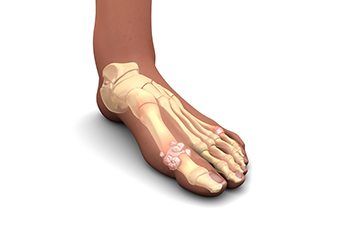
Gout is a form of inflammatory arthritis that often affects the feet, especially the big toe. It develops when uric acid builds up in the blood and forms sharp crystals inside a joint. These crystals trigger inflammation, causing sudden pain, and tenderness. An attack may begin overnight and make walking uncomfortable. Repeated attacks can eventually damage joints or cause tophi, which are firm uric acid deposits beneath the skin.
Several risk factors can increase the chance of developing gout. Family history may raise susceptibility, while obesity, kidney disease, and high blood pressure can also contribute. Certain medications may affect uric acid levels. Regular alcohol use and frequent consumption of purine-rich foods, including some meats and seafood, may increase risk. Dehydration can also contribute to flare-ups. Gout is not caused by one food alone. Genetics, health conditions, and lifestyle habits can all influence uric acid levels.
A podiatrist begins by reviewing your symptoms and medical history, then examining the affected foot. Testing or imaging may be recommended to support the diagnosis and rule out other causes of joint pain. During a gout attack, treatment may include medication to reduce inflammation and control pain. For recurring attacks, your podiatrist may discuss long-term uric acid management. Guidance about hydration, nutrition, and weight management can also help reduce future problems.
Gout can be painful, but recognizing symptoms early gives you an opportunity to seek care before attacks become more frequent. Sudden big-toe pain, swelling, or warmth should not be ignored, especially when symptoms return. A podiatrist can determine whether gout is responsible and create a treatment plan based on your needs. With appropriate care, many people can reduce flare-ups and protect their joints. If you have had one or more gout attacks, it is suggested that you are under the care of a podiatrist who can help you to manage this painful condition.
Gout is a painful condition that can be treated. If you are seeking treatment, contact one of our podiatrists from Advanced Foot and Ankle Centers, Inc.. Our doctors will treat your foot and ankle needs.
What Is Gout?
Gout is a form of arthritis that is characterized by sudden, severe attacks of pain, redness, and tenderness in the joints. The condition usually affects the joint at the base of the big toe. A gout attack can occur at any random time, such as the middle of the night while you are asleep.
Symptoms
- Intense Joint Pain - Usually around the large joint of your big toe, and it most severe within the first four to twelve hours
- Lingering Discomfort - Joint discomfort may last from a few days to a few weeks
- Inflammation and Redness -Affected joints may become swollen, tender, warm and red
- Limited Range of Motion - May experience a decrease in joint mobility
Risk Factors
- Genetics - If family members have gout, you’re more likely to have it
- Medications - Diuretic medications can raise uric acid levels
- Gender/Age - Gout is more common in men until the age of 60. It is believed that estrogen protects women until that point
- Diet - Eating red meat and shellfish increases your risk
- Alcohol - Having more than two alcoholic drinks per day increases your risk
- Obesity - Obese people are at a higher risk for gout
Prior to visiting your podiatrist to receive treatment for gout, there are a few things you should do beforehand. If you have gout you should write down your symptoms--including when they started and how often you experience them, important medical information you may have, and any questions you may have. Writing down these three things will help your podiatrist in assessing your specific situation so that he or she may provide the best route of treatment for you.
If you have any questions, please feel free to contact our office located in Clovis, CA . We offer the newest diagnostic and treatment technologies for all your foot care needs.
