Connect With Us
Blog
Items filtered by date: November 2026
Tuesday, 17 November 2026 00:00
Foot Corns Explained

Foot corns are small areas of localized skin thickening that develop when repeated pressure or friction affects the feet. They often appear on the top or sides of toes, between toes, or beneath bony areas. Unlike soft skin, a corn has a firm center that presses into deeper tissue, which can make walking uncomfortable. Common symptoms include tenderness and pain when pressure is applied. Some corns look yellowish or feel hard to the touch. Although corns are not usually dangerous, they can interfere with daily activities when left untreated. Understanding their causes helps you protect your feet and prevent recurring discomfort.
Corns develop as the skin responds to repeated rubbing or pressure by building up extra layers of protective tissue. Wearing high heels pushes body weight toward the front of the foot, increasing pressure beneath the toes. Pointy or narrow shoes may squeeze the toes together and cause friction against the footwear. Other causes include toe deformities, prominent bones, and shoes that do not fit properly. People who spend long hours standing or walking may face a greater risk. Hammertoes and bunions also create pressure points where corns are more likely to form. Corns may become painful because their dense central core presses against sensitive tissue beneath the thickened skin.
Symptoms vary depending on the corn’s location and size. Hard corns commonly develop over toe joints, while soft corns often form between toes where moisture keeps the skin softer. You may notice a raised, thickened area that hurts when wearing shoes or standing for long periods. Redness may develop if the surrounding skin becomes irritated. People with diabetes or poor circulation should take extra care because foot problems may become more serious when sensation or healing is reduced. Reducing pressure early helps prevent skin breakdown.
A podiatrist determines whether a thickened area is a corn or another foot condition, such as a wart. Treatment may include carefully trimming excess hardened skin with sterile instruments and recommending padding to reduce friction. The podiatrist may also suggest wider shoes, protective toe sleeves, or custom orthotics to redistribute pressure. If a toe deformity contributes to repeated corns, additional treatment may be discussed. Keeping footwear comfortable and checking your feet regularly help prevent recurrence. If you have a painful foot corn, it is suggested that you consult a podiatrist for effective relief and prevention tips.
Corns can make walking very painful and should be treated immediately. If you have questions regarding your feet and ankles, contact one of our podiatrists of Advanced Foot and Ankle Centers, Inc.. Our doctors will treat your foot and ankle needs.
Corns: What Are They? And How Do You Get Rid of Them?
Corns are thickened areas on the skin that can become painful. They are caused by excessive pressure and friction on the skin. Corns press into the deeper layers of the skin and are usually round in shape.
Ways to Prevent Corns
There are many ways to get rid of painful corns such as:
- Wearing properly fitting shoes that have been measured by a professional
- Wearing shoes that are not sharply pointed or have high heels
- Wearing only shoes that offer support
Treating Corns
Although most corns slowly disappear when the friction or pressure stops, this isn’t always the case. Consult with your podiatrist to determine the best treatment option for your case of corns.
If you have any questions, please feel free to contact our office located in Clovis, CA . We offer the newest diagnostic and treatment technologies for all your foot care needs.
Tuesday, 10 November 2026 00:00
Protecting Foot Health While Managing Diabetes
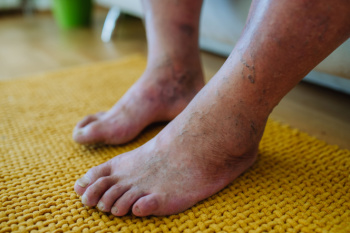
Diabetic foot care is an important part of protecting long-term foot health for people living with diabetes. When blood sugar remains elevated, it may damage the nerves and blood vessels in the feet. Nerve damage, known as diabetic neuropathy, may cause tingling, burning pain, or numbness. Some individuals gradually lose the ability to feel pressure or injuries. Diabetes may also reduce blood circulation, making it harder for damaged skin to heal. Together, these changes increase the risk of developing serious foot problems. A small blister or cut may go unnoticed when sensation is reduced, allowing the injury to worsen. Because the feet support daily movement and experience repeated pressure, even minor skin damage deserves attention. Understanding these risks explains why regular diabetic foot examinations are important, even when no discomfort is present.
Foot complications associated with diabetes may develop slowly or become serious quickly. Open sores, called foot ulcers, may form when damaged skin fails to heal properly. Poor circulation may delay healing and increase the chance of infection. Warning signs include redness, warmth, or swelling around an affected area. Changes in skin color and wounds that do not begin to heal are also concerning. Thick calluses may create additional pressure and sometimes hide damage beneath the skin. Toenail problems may also irritate nearby tissue, particularly when nails become thick or grow into the skin. In severe cases, infection and reduced blood flow may damage surrounding tissues. These complications may threaten foot health and make walking difficult. Since diabetic neuropathy sometimes prevents people from feeling pain, the absence of discomfort does not always mean the feet are healthy. Regular assessment helps identify changes before they become more serious.
A podiatrist plays an important role in diabetic foot care by examining circulation, sensation, and skin condition. During a diabetic foot examination, the podiatrist checks for pressure areas, wounds, and changes in the toenails. Podiatric care may include professional nail trimming and careful removal of thickened skin when appropriate. A podiatrist also evaluates footwear-related pressure and identifies problems that increase the risk of ulcers. When wounds or signs of infection are present, prompt assessment helps determine necessary care. Ongoing visits to a podiatrist support early detection, especially for people with reduced feeling in their feet. If you have diabetes and notice changes in your feet, it is suggested that you consult a podiatrist for an evaluation and appropriate foot care.
Diabetic foot care is important in preventing foot ailments such as ulcers. If you are suffering from diabetes or have any other concerns about your feet, contact one of our podiatrists from Advanced Foot and Ankle Centers, Inc.. Our doctors can provide the care you need to keep you pain-free and on your feet.
Diabetic Foot Care
Diabetes affects millions of people every year. The condition can damage blood vessels in many parts of the body, especially the feet. Because of this, taking care of your feet is essential if you have diabetes, and having a podiatrist help monitor your foot health is highly recommended.
The Importance of Caring for Your Feet
- Routinely inspect your feet for bruises or sores.
- Wear socks that fit your feet comfortably.
- Wear comfortable shoes that provide adequate support.
Patients with diabetes should have their doctor monitor their blood levels, as blood sugar levels play such a huge role in diabetic care. Monitoring these levels on a regular basis is highly advised.
It is always best to inform your healthcare professional of any concerns you may have regarding your feet, especially for diabetic patients. Early treatment and routine foot examinations are keys to maintaining proper health, especially because severe complications can arise if proper treatment is not applied.
If you have any questions, please feel free to contact our office located in Clovis, CA . We offer the newest diagnostic and treatment technologies for all your foot care needs.
Tuesday, 03 November 2026 00:00
Achilles Tendon Injuries and Podiatric Care
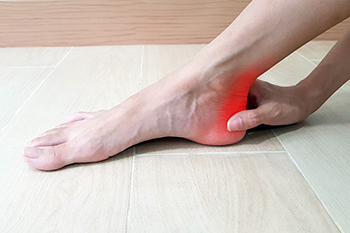
The Achilles tendon connects your calf muscles to your heel bone and helps you push off the ground when moving. It works hard when you run, jump, or climb stairs. Repeated stress can irritate the tendon and cause a problem called Achilles tendinopathy. Frequent activity can strain the tendon. Running uphill and repeated jumping can increase the risk. Tight calf muscles, weak muscles, and unusually high foot arches can also place extra stress on the tendon. Heel pain is an important warning sign.
Achilles tendon injuries range from irritation to partial or complete tears. Tendon irritation can cause swelling, weakness, and stiffness around the ankle. You might notice discomfort when walking or difficulty pushing off your foot. A complete tear, also called a rupture, can happen during a sudden jump or quick change in direction. Some people feel a sharp snap or pop behind the ankle. They may struggle to stand on the injured foot or continue their activity. A sudden injury with these symptoms deserves prompt attention because delaying care can affect recovery.
A podiatrist can examine your ankle, check your movement, and determine how serious the injury is. An ultrasound or MRI scan can help identify a tear when the diagnosis is unclear. Treatment depends on the type and severity of the injury. For tendon irritation, a podiatrist can recommend changes to activities and a plan to restore strength and flexibility. For certain tears, treatment can include a protective boot or brace while the tendon heals. A podiatrist can also guide your return to regular activities and help address factors that increase strain on the tendon. If you have symptoms of an Achilles tendon injury, it is suggested that you schedule an appointment with a podiatrist for effective relief and treatment solutions.
Achilles tendon injuries need immediate attention to avoid future complications. If you have any concerns, contact one of our podiatrists of Advanced Foot and Ankle Centers, Inc.. Our doctors can provide the care you need to keep you pain-free and on your feet.
What Is the Achilles Tendon?
The Achilles tendon is a tendon that connects the lower leg muscles and calf to the heel of the foot. It is the strongest tendon in the human body and is essential for making movement possible. Because this tendon is such an integral part of the body, any injuries to it can create immense difficulties and should immediately be presented to a doctor.
What Are the Symptoms of an Achilles Tendon Injury?
There are various types of injuries that can affect the Achilles tendon. The two most common injuries are Achilles tendinitis and ruptures of the tendon.
Achilles Tendinitis Symptoms
- Inflammation
- Dull to severe pain
- Increased blood flow to the tendon
- Thickening of the tendon
Rupture Symptoms
- Extreme pain and swelling in the foot
- Total immobility
Treatment and Prevention
Achilles tendon injuries are diagnosed by a thorough physical evaluation, which can include an MRI. Treatment involves rest, physical therapy, and in some cases, surgery. However, various preventative measures can be taken to avoid these injuries, such as:
- Thorough stretching of the tendon before and after exercise
- Strengthening exercises like calf raises, squats, leg curls, leg extensions, leg raises, lunges, and leg presses
If you have any questions please feel free to contact our office located in Clovis, CA . We offer the newest diagnostic tools and technology to treat your foot and ankle needs.
