Connect With Us
Blog
Items filtered by date: May 2026
Friday, 29 May 2026 00:00
Ankle Fracture? Don’t Wait for Treatment

If you're suffering from an ankle fracture, professional attention shouldn't wait. Fractures may worsen over time and can make completing everyday activities incredibly difficult. See your specialist for treatment and guidance through the healing process.
Tuesday, 26 May 2026 00:00
When Surgery May Help Plantar Fasciitis

Plantar fasciitis involves inflammation of the thick band of tissue along the bottom of the foot, often causing heel pain with the first steps of the day. Most cases improve with conservative care, but when chronic pain persists and limits daily or physical activities surgery may be considered . The procedure typically involves releasing a small portion of the plantar fascia to reduce tension and improve movement. Good candidates are those who have not responded to other treatments and continue to experience significant discomfort. Risk factors include overuse, poor footwear, and foot structure. A podiatrist can provide non-surgical care, and determine if surgery is appropriate. If you have symptoms of plantar fasciitis, it is suggested that you consult a podiatrist who can provide a proper diagnosis and determine the best treatment option for you.
Foot surgery is sometimes necessary to treat a foot ailment. To learn more, contact one of our podiatrists of Advanced Foot and Ankle Centers, Inc.. Our doctors will assist you with all of your foot and ankle needs.
When Is Surgery Necessary?
Foot and ankle surgery is generally reserved for cases in which less invasive, conservative procedures have failed to alleviate the problem. Some of the cases in which surgery may be necessary include:
- Removing foot deformities like bunions and bone spurs
- Severe arthritis that has caused bone issues
- Cosmetic reconstruction
What Types of Surgery Are There?
The type of surgery you receive will depend on the nature of the problem you have. Some of the possible surgeries include:
- Bunionectomy for painful bunions
- Surgical fusion for realignment of bones
- Neuropathy decompression surgery to treat nerve damage
Benefits of Surgery
Although surgery is usually a last resort, it can provide more complete pain relief compared to non-surgical methods and may allow you to finally resume full activity.
Surgical techniques have also become increasingly sophisticated. Techniques like endoscopic surgery allow for smaller incisions and faster recovery times.
If you have any questions, please feel free to contact our office located in Clovis, CA . We offer the newest diagnostic and treatment technologies for all your foot care needs.
Tuesday, 19 May 2026 00:00
Cracked Heels and Their Link to Diabetes
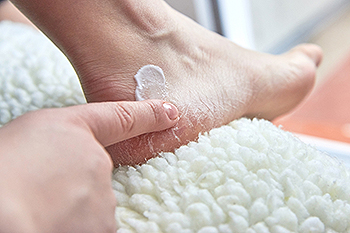
Cracked heels refer to dry, thickened skin on the feet that splits due to pressure and lack of moisture. This condition can be more serious for individuals with diabetes, as nerve damage in the feet may reduce sensation and delay awareness of injury. Symptoms often include flaky skin, visible fissures, inflammation, and varying levels of pain from mild discomfort to severe tenderness. In advanced cases, ulcers may develop and increase the risk of infection. Risk factors include poor circulation, prolonged standing, improper footwear, and unmanaged blood sugar levels. A podiatrist can evaluate the severity, provide treatment, and prevent complications through specialized care. Seeking professional attention early can protect foot health and overall well-being. If you have diabetes and have developed cracked heels, it is suggested that you are under the care of a podiatrist who can provide effective treatment solutions, which may include prescribed medication.
Cracked heels are unsightly and can cause further damage to your shoes and feet. If you have any concerns, contact one of our podiatrists from Advanced Foot and Ankle Centers, Inc.. Our doctors can provide the care you need to keep you pain-free and on your feet.
Cracked Heels
Cracked heels appear unappealing and can make it harder for you walk around in sandals. Aside from looking unpleasant, cracked heels can also tear stockings, socks, and wear out your shoes. There are several methods to help restore a cracked heel and prevent further damage.
How Do You Get Them?
Dry skin is the number one culprit in creating cracked heels. Many athletes, walkers, joggers, and even swimmers suffer from cracked heels. Age and skin oil production play a role to getting cracked heels as well.
Promote Healing
Over the counter medicines can help, especially for those that need instant relief or who suffer from chronic dry feet.
Wear Socks – Wearing socks with medicated creams helps lock in moisture.
Moisturizers – Applying both day and night will help alleviate dryness which causes cracking.
Pumice Stones – These exfoliate and remove dead skin, which allows for smoother moisturizer application and better absorption into the skin.
Change in Diet
Eating healthy with a well-balanced diet will give the skin a fresh and radiant look. Your body responds to the kinds of food you ingest. Omega-3 fatty acids and zinc supplements can also revitalize skin tissue.
Most importantly, seek professional help if unsure how to proceed in treating cracked heels. A podiatrist will help you with any questions or information needed.
If you have any questions, please feel free to contact our office located in Clovis, CA . We offer the newest diagnostic and treatment technologies for all your foot care needs.
Tuesday, 12 May 2026 00:00
Various Causes of Toenail Problems

Toenail problems can develop for several reasons, including infection, improper nail growth, or injury to the nail unit. Common issues include fungal infection, ingrown toenails where the nail edge grows into the surrounding skin, and trauma from repeated pressure or direct injury. The toenail helps protect the tip of the toe and supports balance, but damage or infection can change its appearance and function. Nails may become thick, discolored, painful, or misshapen, and the surrounding skin may appear red, swollen, or tender. In some cases, drainage or lifting of the nail can occur. A podiatrist can evaluate the nail through an examination and determine the underlying cause. Treatment may include antifungal medications, proper nail care techniques, minor procedures for ingrown nails, and guidance on footwear to prevent further injury. If you are experiencing a toenail problem, it is suggested that you schedule an appointment with a podiatrist for an accurate diagnose and appropriate treatment.
Ingrown toenails can become painful if they are not treated properly. For more information about ingrown toenails, contact one of our podiatrists of Advanced Foot and Ankle Centers, Inc.. Our doctors can provide the care you need to keep you pain-free and on your feet.
Ingrown Toenails
Ingrown toenails occur when a toenail grows sideways into the bed of the nail, causing pain, swelling, and possibly infection.
Causes
- Bacterial infections
- Improper nail cutting such as cutting it too short or not straight across
- Trauma to the toe, such as stubbing, which causes the nail to grow back irregularly
- Ill-fitting shoes that bunch the toes too close together
- Genetic predisposition
Prevention
Wearing proper fitting shoes and using proper cutting techniques will also help decrease your risk of developing ingrown toenails.
Treatment
Ingrown toenails are a very treatable foot condition. In minor cases, soaking the affected area in salt or antibacterial soaps will not only help with the ingrown nail itself, but also help prevent any infections from occurring. In more severe cases, surgery is an option. In either case, speaking to your podiatrist about this condition will help you get a better understanding of specific treatment options that are right for you.
If you have any questions, please feel free to contact our office located in Clovis, CA . We offer the newest diagnostic and treatment technologies for all your foot care needs.
Tuesday, 05 May 2026 00:00
Dealing With Plantar Warts

Plantar warts are growths that develop on the bottom of the foot due to infection from the human papillomavirus, or HPV. They often appear as small, rough lesions with a grainy surface and may have tiny black dots within them, which are clotted blood vessels. Unlike other warts, they tend to grow inward because of pressure from walking or standing. Pain may increase with direct pressure, especially on weight-bearing areas, such as the heel or ball of the foot. These warts can spread through direct contact or from walking barefoot in shared spaces. A podiatrist can identify plantar warts and distinguish them from callouses or other skin conditions. Treatment includes topical medications, careful removal of thickened skin, or in-office procedures designed to eliminate the wart tissue. Addressing the condition early can reduce discomfort and limit spread. If you think you have a plantar wart, it is suggested that you make an appointment with a podiatrist for treatment.
Plantar warts can be very uncomfortable. If you need your feet checked, contact one of our podiatrists from Advanced Foot and Ankle Centers, Inc.. Our doctors will assist you with all of your foot and ankle needs.
About Plantar Warts
Plantar warts are the result of HPV, or human papillomavirus, getting into open wounds on the feet. They are mostly found on the heels or balls of the feet.
While plantar warts are generally harmless, those experiencing excessive pain or those suffering from diabetes or a compromised immune system require immediate medical care. Plantar warts are easily diagnosed, usually through scraping off a bit of rough skin or by getting a biopsy.
Symptoms
- Lesions on the bottom of your feet, usually rough and grainy
- Hard or thick callused spots
- Wart seeds, which are small clotted blood vessels that look like little black spots
- Pain, discomfort, or tenderness of your feet when walking or standing
Treatment
- Freezing
- Electric tool removal
- Laser Treatment
- Topical Creams (prescription only)
- Over-the-counter medications
To help prevent developing plantar warts, avoid walking barefoot over abrasive surfaces that can cause cuts or wounds for HPV to get into. Avoiding direct contact with other warts, as well as not picking or rubbing existing warts, can help prevent the further spread of plantar warts. However, if you think you have developed plantar warts, speak to your podiatrist. He or she can diagnose the warts on your feet and recommend the appropriate treatment options.
If you have any questions, please feel free to contact our office located in Clovis, CA . We offer the newest diagnostic and treatment technologies for all your foot care needs.
