Connect With Us
Blog
Items filtered by date: June 2026
Tuesday, 30 June 2026 00:00
What Are Neuropathic Foot Ulcers?

Neuropathy is a medical condition that affects the peripheral nerves, most commonly in the feet and legs. It occurs when nerves become damaged and are unable to properly transmit signals between the brain and the body. This can lead to altered sensation, pain, or complete loss of feeling in the affected areas. Neuropathy is a significant concern in podiatry because it increases the risk of foot injuries going unnoticed, which can lead to more serious complications, such as neuropathic ulcers. These are open sores that develop due to repeated pressure or unnoticed trauma in areas with reduced sensation.
Symptoms of neuropathy in the feet often begin gradually and may include tingling, burning sensations, numbness, or sharp shooting pain. Some individuals experience a feeling of walking on pins and needles, while others may notice a complete loss of feeling in parts of the foot. Neuropathic ulcers develop when minor injuries, blisters, or pressure points go unnoticed due to reduced sensation. These ulcers commonly appear on weight-bearing areas, such as the ball of the foot or heel. Because pain signals are diminished, the condition may progress without immediate awareness, increasing the risk of infection.
Risk factors for neuropathy include diabetes, chronic alcohol use, vitamin deficiencies, certain infections, and long-term exposure to toxins. Diabetes is one of the leading causes, as elevated blood sugar levels can damage nerves. Individuals with poor circulation or a history of foot deformities are also at higher risk of developing neuropathic ulcers. Repetitive pressure, ill-fitting footwear, and prolonged standing can worsen the condition and contribute to skin breakdown. Without proper care, neuropathic ulcers can become infected and may lead to more serious complications.
The causes of neuropathy involve damage to the peripheral nerves, which may result from metabolic, infectious, or mechanical factors. When nerve function is impaired, the protective sensation in the feet is reduced, making it difficult to detect injuries. Neuropathic ulcers form when continuous pressure or friction is applied to an area without the natural pain response that would normally trigger protective action. This leads to skin breakdown and open wounds that require specialized care. If you have neuropathy or have developed an ulcer, it is strongly suggested that you consult a podiatrist who can accurately diagnose and treat neuropathy foot ulcers.
Neuropathy
Neuropathy can be a potentially serious condition, especially if it is left undiagnosed. If you have any concerns that you may be experiencing nerve loss in your feet, consult with one of our podiatrists from Advanced Foot and Ankle Centers, Inc.. Our doctors will assess your condition and provide you with quality foot and ankle treatment for neuropathy.
What Is Neuropathy?
Neuropathy is a condition that leads to damage to the nerves in the body. Peripheral neuropathy, or neuropathy that affects your peripheral nervous system, usually occurs in the feet. Neuropathy can be triggered by a number of different causes. Such causes include diabetes, infections, cancers, disorders, and toxic substances.
Symptoms of Neuropathy Include:
- Numbness
- Sensation loss
- Prickling and tingling sensations
- Throbbing, freezing, burning pains
- Muscle weakness
Those with diabetes are at serious risk due to being unable to feel an ulcer on their feet. Diabetics usually also suffer from poor blood circulation. This can lead to the wound not healing, infections occurring, and the limb may have to be amputated.
Treatment
To treat neuropathy in the foot, podiatrists will first diagnose the cause of the neuropathy. Figuring out the underlying cause of the neuropathy will allow the podiatrist to prescribe the best treatment, whether it be caused by diabetes, toxic substance exposure, infection, etc. If the nerve has not died, then it’s possible that sensation may be able to return to the foot.
Pain medication may be issued for pain. Electrical nerve stimulation can be used to stimulate nerves. If the neuropathy is caused from pressure on the nerves, then surgery may be necessary.
If you have any questions, please feel free to contact our office located in Clovis, CA . We offer the newest diagnostic and treatment technologies for all your foot care needs.
Sunday, 28 June 2026 00:00
Are You Suffering From Nerve Damage?

Neuropathy is a condition that can lead to numbness or loss of sensation in the feet, but it can also cause pain. This condition is more likely to develop for those who are diabetic, obese, or with high blood pressure.
Tuesday, 23 June 2026 00:00
Athlete’s Foot Causes and Symptoms
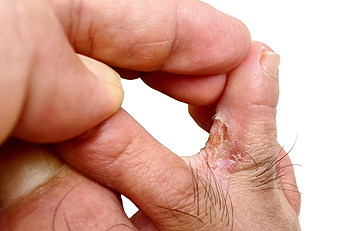
Athlete’s foot is a fungal infection that affects the skin of the feet, particularly between the toes. This condition, also known as tinea pedis, develops when fungi thrive in warm, moist environments, like sweaty shoes and locker rooms. It is extremely contagious and can spread through direct contact or shared surfaces. Athlete’s foot can affect anyone, not just athletes, and may become chronic if left untreated. Understanding this condition is essential for maintaining healthy skin and preventing the spread of infection to other areas of the body.
Symptoms of athlete’s foot often begin with itching, burning, and stinging sensations between the toes. The skin may appear red, scaly, or cracked, and in some cases, peeling or flaking may occur. Some individuals develop small blisters that can be painful and may lead to further skin breakdown. As the infection progresses, the affected area may become dry and thickened. In more severe cases, the infection can spread to the soles or toenails. This can cause further discomfort and complications that require prompt attention.
Several risk factors increase the likelihood of developing athlete’s foot. Wearing tight, non-breathable footwear creates a warm environment where fungi can grow easily. Walking barefoot in public places like pools, gyms, and locker rooms also raises the risk of exposure. Excessive sweating, poor foot hygiene, and not changing socks regularly contribute to moisture buildup. People with a weakened immune system or underlying health condition may be more susceptible. Identifying these risk factors can help guide prevention and reduce recurrence.
The primary cause of athletes' feet is exposure to dermatophyte fungi that invade the outer layer of skin. These organisms thrive in damp conditions and spread through contaminated surfaces or personal items. Preventive care includes keeping feet clean and dry, wearing moisture wicking socks, and choosing properly fitted shoes that allow ventilation. Avoiding shared footwear and practicing good foot hygiene are also important. If you have symptoms of athlete's foot, it is suggested that you consult a podiatrist for an accurate diagnosis and appropriate treatment, which may include prescribed medication.
Athlete’s foot is an inconvenient condition that can be easily reduced with the proper treatment. If you have any concerns about your feet and ankles, contact one of our podiatrists from Advanced Foot and Ankle Centers, Inc.. Our doctors will treat your foot and ankle needs.
Athlete’s Foot: The Sole Story
Athlete's foot, also known as tinea pedis, can be an extremely contagious foot infection. It is commonly contracted in public changing areas and bathrooms, dormitory style living quarters, around locker rooms and public swimming pools, or anywhere your feet often come into contact with other people.
Solutions to Combat Athlete’s Foot
- Hydrate your feet by using lotion
- Exfoliate
- Buff off nails
- Use of anti-fungal products
- Examine your feet and visit your doctor if any suspicious blisters or cuts develop
Athlete’s foot can cause many irritating symptoms such as dry and flaking skin, itching, and redness. Some more severe symptoms can include bleeding and cracked skin, intense itching and burning, and even pain when walking. In the worst cases, Athlete’s foot can cause blistering as well. Speak to your podiatrist for a better understanding of the different causes of Athlete’s foot, as well as help in determining which treatment options are best for you.
If you have any questions please feel free to contact our office located in Clovis, CA . We offer the newest diagnostic and treatment technologies for all your foot and ankle needs.
Tuesday, 16 June 2026 00:00
Steps Toward Pain-Free Feet
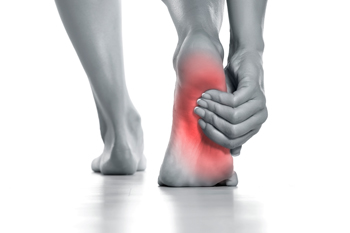
Foot pain can develop from everyday habits, overuse, poor shoe choices, or underlying structural problems in the feet. Wearing shoes that do not fit well, spending long hours standing, sudden increases in activity, and ignoring early discomfort can all contribute to pain. Choosing supportive footwear with enough room for the toes can reduce pressure and improve alignment. Replacing worn shoes and using proper support during exercise may also help protect the feet. Maintaining a healthy weight can decrease strain on joints, tendons, and soft tissues. A podiatrist can evaluate foot structure, gait, and pressure points to identify problems before they become more serious. Early care may help prevent conditions such as heel pain, tendon irritation, bunions, or stress injuries. If you are noticing recurring soreness, stiffness, or discomfort in your feet, it is suggested that you visit a podiatrist for an evaluation.
Foot Pain
Foot pain can be extremely painful and debilitating. If you have a foot pain, consult with one of our podiatrists from Advanced Foot and Ankle Centers, Inc.. Our doctors will assess your condition and provide you with quality foot and ankle treatment.
Causes
Foot pain is a very broad condition that could be caused by one or more ailments. The most common include:
- Bunions
- Hammertoes
- Plantar Fasciitis
- Bone Spurs
- Corns
- Tarsal Tunnel Syndrome
- Ingrown Toenails
- Arthritis (such as Gout, Rheumatoid, and Osteoarthritis)
- Flat Feet
- Injury (from stress fractures, broken toe, foot, ankle, Achilles tendon ruptures, and sprains)
- And more
Diagnosis
To figure out the cause of foot pain, podiatrists utilize several different methods. This can range from simple visual inspections and sensation tests to X-rays and MRI scans. Prior medical history, family medical history, and any recent physical traumatic events will all be taken into consideration for a proper diagnosis.
Treatment
Treatment depends upon the cause of the foot pain. Whether it is resting, staying off the foot, or having surgery; podiatrists have a number of treatment options available for foot pain.
If you have any questions, please feel free to contact our office located in Clovis, CA . We offer the newest diagnostic and treatment technologies for all your foot care needs.
Tuesday, 09 June 2026 00:00
Gout and Its Triggers
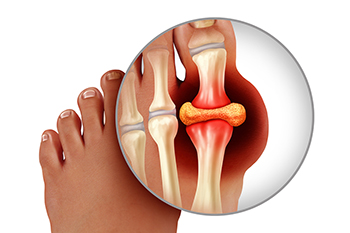
Gout is one of the oldest known forms of arthritis and develops when uric acid builds up in the body, forming sharp crystals in the joints. It often affects the big toe and can appear suddenly with intense pain, redness, warmth, and swelling. Attacks may come on overnight and make even light pressure feel unbearable. Several risk factors can increase the chance of gout, including a family history of the condition, frequent alcohol consumption, and diets high in red meat or sugary drinks. Obesity and certain medical conditions can also play a role. A podiatrist can identify gout, manage painful flare-ups, and work with patients to reduce joint damage and improve mobility. If you have intense pain in your big toe, it is suggested that you consult a podiatrist who can offer you a diagnosis and appropriate treatment.
Gout is a painful condition that can be treated. If you are seeking treatment, contact one of our podiatrists from Advanced Foot and Ankle Centers, Inc.. Our doctors will treat your foot and ankle needs.
What Is Gout?
Gout is a form of arthritis that is characterized by sudden, severe attacks of pain, redness, and tenderness in the joints. The condition usually affects the joint at the base of the big toe. A gout attack can occur at any random time, such as the middle of the night while you are asleep.
Symptoms
- Intense Joint Pain - Usually around the large joint of your big toe, and it most severe within the first four to twelve hours
- Lingering Discomfort - Joint discomfort may last from a few days to a few weeks
- Inflammation and Redness -Affected joints may become swollen, tender, warm and red
- Limited Range of Motion - May experience a decrease in joint mobility
Risk Factors
- Genetics - If family members have gout, you’re more likely to have it
- Medications - Diuretic medications can raise uric acid levels
- Gender/Age - Gout is more common in men until the age of 60. It is believed that estrogen protects women until that point
- Diet - Eating red meat and shellfish increases your risk
- Alcohol - Having more than two alcoholic drinks per day increases your risk
- Obesity - Obese people are at a higher risk for gout
Prior to visiting your podiatrist to receive treatment for gout, there are a few things you should do beforehand. If you have gout you should write down your symptoms--including when they started and how often you experience them, important medical information you may have, and any questions you may have. Writing down these three things will help your podiatrist in assessing your specific situation so that he or she may provide the best route of treatment for you.
If you have any questions, please feel free to contact our office located in Clovis, CA . We offer the newest diagnostic and treatment technologies for all your foot care needs.
Tuesday, 02 June 2026 00:00
Ankle Sprains Commonly Seen in Volleyball Players
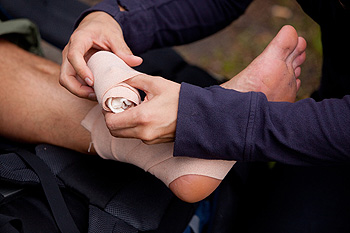
Ankle sprains are one of the most common injuries in volleyball. The main causes are repeated jumping, sudden direction changes, and awkward landings near the net. The sprain often occurs when the foot rolls inward and stretches or tears the ligaments that support the ankle. Symptoms are immediate pain, swelling, and difficulty walking or placing weight on the foot. The ankle can feel weak, unstable, or stiff, especially during side-to-side movement. In some cases, a popping sensation is felt at the moment of injury. Volleyball players are at higher risk when playing on uneven surfaces, landing on another player’s foot, or returning to sports too quickly after a previous sprain. A podiatrist can examine the ankle, evaluate ligament damage, and determine whether imaging studies are needed to rule out fractures or more serious injuries. Treatment may include bracing, activity modification, or therapies designed to restore stability and reduce pain. If you have sprained your ankle from playing volleyball, it is suggested that you schedule an appointment with a podiatrist for appropriate treatment solutions.
Ankle sprains are common but need immediate attention. If you need your feet checked, contact one of our podiatrists from Advanced Foot and Ankle Centers, Inc.. Our doctors can provide the care you need to keep you pain-free and on your feet.
How Does an Ankle Sprain Occur?
Ankle sprains take place when the ligaments in your ankle are torn or stretched beyond their limits. There are multiple ways that the ankle can become injured, including twisting or rolling over onto your ankle, putting undue stress on it, or causing trauma to the ankle itself.
What Are the Symptoms?
- Mild to moderate bruising
- Limited mobility
- Swelling
- Discoloration of the skin (depending on severity)
Preventing a Sprain
- Wearing appropriate shoes for the occasion
- Stretching before exercises and sports
- Knowing your limits
Treatment of a Sprain
Treatment of a sprain depends on the severity. Many times, people are told to rest and remain off their feet completely, while others are given an air cast. If the sprain is very severe, surgery may be required.
If you have suffered an ankle sprain previously, you may want to consider additional support such as a brace and regular exercises to strengthen the ankle.
If you have any questions please feel free to contact our office located in Clovis, CA . We offer the newest diagnostic tools and technology to treat your foot and ankle needs.
